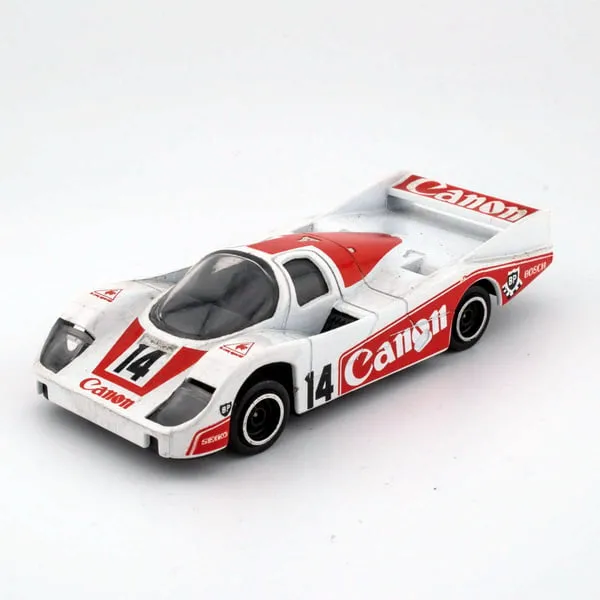
The History of Diecast Toys
Diecast toys have a rich and fascinating history, evolving from simple metal castings to highly detailed and sought-after collectibles. The origins of diecast toys can be traced back to the early 20th century, with advancements in metal casting techniques paving the way for their mass production. These early toys, often made of lead or zinc alloys, were crude by today’s standards but represented a significant leap in toy manufacturing. The durability and realistic appearance of diecast models quickly made them popular with children and adults alike. The history of diecast toys reflects not only technological advancements but also shifts in cultural interests and the evolving role of toys in society. The development of diecast toys parallels the evolution of the automotive industry, the aerospace industry, and the military, with models reflecting advancements in these areas.
Early Diecast Toy Production
The initial production of diecast toys was a laborious process. The process involved melting metal alloys, typically zinc, lead, or a combination, and injecting them into molds under high pressure. The molds themselves were complex, often crafted from steel, and had to withstand the heat and pressure of the molten metal. The use of diecasting allowed for the creation of intricate details that were impossible to achieve with other manufacturing methods. Early diecast toys were often simple in design, focusing on durability and basic features. The early production processes set the stage for the development of more sophisticated manufacturing techniques in the decades that followed. These advancements would contribute to the increased detail and realism that defines today’s diecast models, making early models highly collectible.
Evolution of Materials

The materials used in diecast toy production have evolved significantly over time. Initially, lead and zinc alloys were common, offering durability but also presenting potential safety concerns. As the understanding of material properties advanced, manufacturers began to explore other options. The use of zinc alloys continued, but with improved formulations to enhance durability and reduce the risk of breakage. Plastic components were gradually introduced, allowing for more complex designs and the inclusion of features like opening doors and detailed interiors. Paint technologies also improved, with more durable and realistic finishes becoming available. Today’s diecast toys often incorporate a variety of materials, including metal alloys, plastics, rubber, and glass, to achieve the highest levels of detail and realism, contributing to the overall appeal to collectors and enthusiasts.
The Allure of Diecast Toys
Diecast toys hold a unique appeal for many people, offering a blend of nostalgia, craftsmanship, and collectibility. For some, diecast models evoke fond memories of childhood, while for others, they represent a connection to specific vehicles or historical periods. The attention to detail and the realistic appearance of many diecast models are major attractions. Many collectors appreciate the engineering and design that go into these miniature replicas. The limited production runs of some models and the emergence of rare and highly sought-after pieces further drive the collecting passion. Diecast toys are much more than just toys; they are miniature works of art, representations of history, and symbols of personal interests, which is why so many people are drawn to the hobby.
Collecting as a Hobby
Collecting diecast toys is a rewarding hobby that appeals to a wide range of interests. The hobby allows collectors to explore their passions, whether it’s classic cars, racing vehicles, or military equipment. The search for rare and unique models is a constant thrill. The collecting community is close-knit and supportive, offering opportunities to share knowledge, trade models, and build lasting friendships. Collecting diecast toys can also be a form of historical preservation, as models often represent specific vehicles or periods in time. The hobby encourages research, learning, and the appreciation of craftsmanship. It can be a source of immense satisfaction and a creative outlet, whether you are a seasoned collector or a new enthusiast.
Investment Potential

Certain diecast toys can offer significant investment potential. Rare and limited-edition models, especially those in pristine condition, often appreciate in value over time. The market for diecast toys is driven by factors such as rarity, historical significance, and the popularity of the original vehicle. Research and knowledge are essential for making informed investment decisions. Collectors should stay informed about market trends and the value of different models. Joining online communities and attending toy shows can provide valuable insights and networking opportunities. While collecting diecast toys should primarily be motivated by a love of the hobby, understanding the investment potential adds another layer of interest. The value of certain models can increase substantially, especially those with specific historical relevance or limited production runs.
Top 5 Facts About Diecast Toys in Des Moines
Fact 1
Des Moines has a vibrant community of diecast toy collectors. This community is a hub for trading, discussing, and sharing information about their collections. There are several local clubs and informal groups dedicated to diecast toys in the area. These groups often organize events such as meetups, shows, and swap meets, creating opportunities for collectors to connect and grow their collections. These activities make Des Moines a great place to be a diecast toy enthusiast.
Fact 2

Several local stores in Des Moines specialize in diecast toys and model kits. These stores offer a curated selection of models, often including rare or hard-to-find items. These retailers are valuable resources for both seasoned collectors and beginners. They offer expert advice and also provide a location where enthusiasts can buy, sell, and trade their favorite models. These local establishments help drive the local diecast toy community.
Fact 3
Des Moines hosts regular toy shows and swap meets where diecast toys are prominently featured. These events provide a platform for collectors to showcase their collections, find new items, and connect with other enthusiasts. These shows attract buyers from across the region and often feature a wide variety of diecast models, from classic cars to modern vehicles. These events are critical to maintaining a robust local market for diecast toys.
Fact 4
Online marketplaces and local online groups are a popular way to buy, sell, and trade diecast toys in Des Moines. Many collectors use platforms such as eBay, Craigslist, and Facebook Marketplace to find specific models or to offer items from their collections. These online resources have extended the reach of the local market, allowing collectors to connect with a wider audience and access a more diverse selection of diecast toys. These options make the hobby more accessible.
Fact 5

The interest in diecast toys in Des Moines spans many generations. From seasoned collectors with decades of experience to younger enthusiasts just starting, there is a shared appreciation for the craftsmanship and collectibility of these miniature vehicles. Families often share this hobby, attending shows and building collections together. This multi-generational interest ensures that the diecast toy collecting hobby will continue to thrive in Des Moines for many years to come.
Where to Find Diecast Toys in Des Moines
Local Toy Stores
Local toy stores are the best place to start your search for diecast toys in Des Moines. These stores typically carry a selection of models, ranging from classic cars to modern vehicles. The staff in these stores can often provide helpful information. These stores also serve as gathering places for collectors, offering opportunities to connect with others and stay updated on the latest models and events. Supporting local toy stores helps sustain the local collecting community.
Online Marketplaces

Online marketplaces offer a vast selection of diecast toys, making them a convenient option for collectors in Des Moines. Platforms like eBay and Facebook Marketplace provide access to a wide variety of models. Be sure to read seller reviews and thoroughly examine item descriptions and photos before making a purchase. Online marketplaces also offer the possibility of finding rare or hard-to-find items that may not be available locally. Buying from reputable sellers and taking precautions ensures a satisfying experience.
Des Moines Collector Clubs
Joining a local collector club is a great way to become part of the diecast toy community in Des Moines. These clubs often organize events, swap meets, and other activities. Being a member of a club offers opportunities to learn more about collecting, to share your collection, and to connect with others. Participating in these clubs and organizations can greatly enhance your collecting experience and connect you with the wider community of enthusiasts.