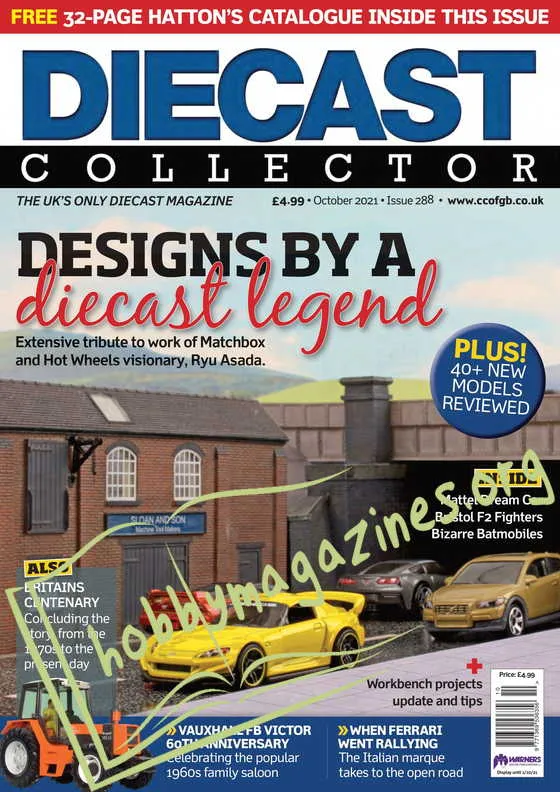
What are Diecast Cars?
Diecast cars are miniature replicas of real-world automobiles, meticulously crafted from metal using a die-casting process. These models are highly sought after by collectors of all ages and backgrounds, offering a tangible connection to the automotive world. Diecast cars are more than just toys; they are miniature works of art, showcasing intricate detailing and accurate representations of their full-sized counterparts. The appeal lies in their ability to capture the essence of iconic vehicles, from classic muscle cars to modern supercars, in a compact and collectible form. Understanding the basics of diecast cars is essential for any aspiring collector or enthusiast wanting to begin their journey into this fascinating hobby.
History of Diecast Cars
The history of diecast cars is as rich and diverse as the models themselves, with origins tracing back to the early 20th century. The earliest diecast models were primarily produced as promotional items or toys, gradually evolving into highly detailed replicas. The post-World War II era saw a surge in popularity, with companies like Dinky Toys and Corgi Toys leading the way. These brands introduced innovative features like opening doors and functional steering, captivating a generation of young enthusiasts. Over the years, diecast technology has advanced significantly, with improved materials and manufacturing techniques leading to more accurate and detailed models. Today, the industry is thriving, with numerous manufacturers catering to a global community of passionate collectors, each seeking the perfect addition to their display.
The Key Features of Diecast Cars

Diecast cars are defined by several key features that set them apart from other types of model vehicles. Understanding these features will help you better appreciate the craftsmanship and value of these miniature marvels. The most important feature is the die-casting process itself, where molten metal is poured into molds to create highly detailed parts. The materials used, typically a zinc alloy, ensure durability and weight, adding to the model’s realism. Scale and detailing are crucial, with models often created in various scales such as 1:18, 1:24, and 1:43. Furthermore, the paint quality, interior features, and functional elements like opening doors and steerable wheels contribute to the overall appeal and collectibility of diecast cars. These factors, combined with the brand and historical significance, make diecast cars a fascinating hobby for collectors and enthusiasts.
Scale and Detailing
The scale and detailing of a diecast car are pivotal factors in its overall quality and appeal. Scales like 1:18, 1:24, and 1:43 are common, and the scale determines the model’s size relative to the original vehicle. For instance, a 1:18 scale model is 1/18th the size of the real car, offering a larger canvas for intricate detailing. High-quality diecast models feature incredible levels of detail, from accurately replicated interiors to detailed engine compartments and realistic paint finishes. These models often include photo-etched parts, such as grilles and emblems, further enhancing the realism. The level of detail can significantly impact the value and collectibility of a diecast car, making it an essential aspect for any collector to consider when building their collection. The accuracy of the scale and detailing directly reflects the manufacturer’s commitment to recreating a miniature version of the original car.
Material and Build Quality
The material and build quality of a diecast car greatly influence its durability, aesthetics, and overall value. The primary material used is a zinc alloy, which provides the necessary weight and strength to withstand handling and display. High-quality diecast cars often feature a robust construction with precisely aligned parts and minimal gaps. The paint quality is another critical aspect, with premium models using multi-layer paint processes to achieve a deep, lustrous finish. Additionally, the use of high-quality plastics for interior details and tires further enhances the realism. Check for smooth moving parts, such as doors and wheels, and ensure the model feels solid and well-made. Poor build quality can diminish the model’s appearance and long-term value, making it essential to choose diecast cars crafted from durable materials and with meticulous attention to detail.
Authenticity

Authenticity is a critical aspect of diecast car collecting, focusing on how closely a model resembles its real-life counterpart. This involves accurate detailing, correct proportions, and the use of appropriate materials. Authentic diecast cars meticulously replicate the design, features, and specifications of the original vehicles, including the engine, interior, and exterior. This can involve a variety of details like the shape of the headlights, the texture of the seats, and the specific design of the wheels. Many manufacturers license designs from automotive brands, ensuring that the models are officially recognized and precisely represent the original vehicles. Collectors often prioritize authenticity, as it adds to the model’s historical value and enhances its appeal. The attention to authenticity reflects the diecast car’s commitment to capturing the essence of the original car accurately.
Rarity and Collectibility
Rarity and collectibility significantly impact the value and desirability of diecast cars. Limited edition models, those with unique features, or those produced in smaller quantities tend to be more valuable. The manufacturer, brand, and historical significance of the model are also important factors that influence its collectibility. Certain models become highly sought after due to their association with specific events, iconic vehicles, or well-known brands. Original packaging and the presence of certificates of authenticity can further increase value. Collectibility is often driven by nostalgia, historical importance, or a personal connection to a particular vehicle. Collectors constantly seek rare and hard-to-find models, making the hunt for these treasures a key element of the hobby. These factors, combined with the model’s condition, can influence its overall value.
Brand and Manufacturer
The brand and manufacturer of a diecast car often play a crucial role in its quality, value, and collectibility. Certain manufacturers have earned reputations for producing high-quality models with exceptional detailing and accuracy. Brands like AUTOart, Minichamps, and Bburago are known for their attention to detail and use of premium materials. The manufacturer’s reputation can greatly influence a collector’s buying decisions, as well as the model’s resale value. The historical significance of the manufacturer can also add to the collectibility, particularly if a brand has a long-standing history or is known for producing iconic models. The brand’s reputation for quality, detail, and historical accuracy makes the manufacturer an essential factor when you’re starting or expanding your diecast car collection.
7 Essential Features to Look for in Diecast Cars

When selecting a diecast car, several key features contribute to its quality and desirability. These features will help you identify the best models for your collection. By paying close attention to these details, you can ensure you are investing in high-quality diecast cars that you will appreciate for years to come. This list can serve as a guide for building a collection of miniature marvels.
Detailed Interior
A detailed interior is a hallmark of high-quality diecast cars, adding to the model’s realism. Look for accurately replicated seats, dashboards, steering wheels, and other interior components. The best models feature finely detailed instrument panels, center consoles, and other interior elements, often using different materials and textures to mimic the real car’s interior. Some may also include seat belts, carpeting, and other details that enhance the overall authenticity. These details contribute to the overall sense of realism, making the model more visually appealing and enjoyable to collectors. The attention to interior detail is a testament to the model’s quality and the manufacturer’s commitment to accuracy.
Accurate Exterior Detailing
Accurate exterior detailing is critical for an authentic diecast car. This includes precisely replicated body panels, trim, and other exterior components. Check the paint quality, ensuring a smooth, even finish without flaws. Look for accurately molded details like grilles, headlights, taillights, and emblems. The presence of photo-etched parts and realistic badging further enhances the model’s realism. Authentic exterior detailing helps capture the vehicle’s character, providing a visually appealing representation. The quality of the exterior detailing indicates the overall level of craftsmanship and attention to detail, thus adding to the model’s value.
Quality Paint Job

A quality paint job is crucial for the aesthetic appeal and overall value of a diecast car. The best models feature a smooth, even paint finish with no imperfections or blemishes. Multi-layer paint processes are often used to achieve a deep, lustrous shine that accurately reflects the real car’s finish. Pay attention to the color accuracy and consistency of the paint, ensuring it matches the original vehicle’s specifications. The quality of the paint job directly impacts the model’s visual appeal and enhances its collectibility. A well-executed paint job can greatly enhance the model’s overall look and protect it from damage.
Functional Features
Functional features, such as opening doors, hoods, and trunks, add to the realism and enjoyment of diecast cars. These moving parts allow you to explore the model’s interior and engine compartment. Some models also feature functional steering, suspension, and other interactive elements. The presence of functional features can enhance the model’s playability and appeal, making it more engaging for collectors and enthusiasts. Carefully check the functionality and smoothness of these features, ensuring they operate properly. Such additions make the models even more like the originals.
Durable Construction
Durable construction is essential for a diecast car’s longevity and value. The model should be made from robust materials, primarily a zinc alloy, which can withstand handling and display. The parts should fit together seamlessly with minimal gaps or imperfections. A sturdy build ensures that the model can withstand the test of time and remain in excellent condition. Check the overall structure, ensuring that it feels solid and well-made. Durable construction protects the model and maintains its value for years. This durability is particularly important if the models are to be handled or moved.
Realistic Wheels and Tires
Realistic wheels and tires significantly impact a diecast car’s appearance and authenticity. The wheels should be accurately detailed, replicating the original vehicle’s wheel design. The tires should be made of a realistic material, such as rubber, and should have accurate tread patterns. The correct size and style of the wheels and tires greatly enhance the model’s realism. High-quality models often feature detailed wheel designs and sidewall markings. Realistic wheels and tires are essential for the overall aesthetic appeal, making the model look more like the original car. These are often overlooked but are very important to the look.
Collector’s Value Potential
Considering the collector’s value potential is crucial when choosing diecast cars. Limited edition models, those with unique features, and those from renowned manufacturers tend to increase in value over time. Research the market to understand which models are most sought after by collectors. The condition of the model, its original packaging, and any certificates of authenticity can all contribute to its value. Evaluating the potential for appreciation can turn your collection into a worthwhile investment. The collector’s value potential can make owning diecast cars an exciting and financially rewarding hobby, with the added benefit of appreciating the value of the models over time.
How to Evaluate Diecast Cars
Evaluating diecast cars is essential to ensure you are acquiring high-quality models and valuable additions to your collection. Understanding the evaluation process will help you make informed decisions and appreciate the craftsmanship of these miniature replicas. It requires a keen eye for detail and a comprehensive approach. Research the model’s specifications, look for flaws, and compare different models to determine the best choice. Here’s how to evaluate diecast cars effectively.
Research and Due Diligence

Thorough research and due diligence are essential before purchasing a diecast car. Learn about the model’s specifications, including its scale, manufacturer, and release details. Research the model’s history and its significance in the automotive world. Check online reviews and forums to gather information about the model’s quality and any common issues. Evaluate the model’s authenticity by comparing it to images of the original car. The more you know about the model, the better you can assess its value and quality. This thorough process will ensure you make informed decisions.
Inspection for Flaws
Careful inspection for flaws is critical when evaluating a diecast car. Examine the model closely for any imperfections in the paint finish, such as scratches, bubbles, or unevenness. Check for misaligned parts, gaps, or poorly assembled components. Inspect the interior and exterior details for any defects or missing parts. Functional features, such as opening doors and wheels, should operate smoothly. A close inspection can reveal any potential issues that might affect the model’s value or enjoyment. Prioritize flawless models, as they are more likely to retain their value over time.
Comparing Different Models
Comparing different models is an effective way to evaluate diecast cars and make the best choices for your collection. Compare models of the same make and model to assess differences in detail, quality, and value. Compare models from different manufacturers to identify the strengths and weaknesses of each brand. Consider the scale, features, and overall level of detail when comparing. Compare the prices of different models, considering their condition, rarity, and historical significance. By comparing various models, you can identify the best value and ensure you are acquiring high-quality diecast cars that meet your preferences and collecting goals.
Where to Buy Diecast Cars
Finding reliable sources to purchase diecast cars is an essential part of building your collection. The options range from online marketplaces to specialty shops, providing access to a wide array of models and brands. Whether you are a seasoned collector or a beginner, knowing where to buy diecast cars will ensure you can find what you are looking for.
Online Marketplaces
Online marketplaces such as eBay and Amazon offer vast selections of diecast cars from various sellers. These platforms provide access to a diverse range of models, from common releases to rare and collectible items. Ensure the seller has a good reputation and read the item description carefully. The online marketplaces often offer competitive prices and the convenience of shopping from home. It is crucial to inspect the product listings, check the seller’s feedback, and ask any questions before making a purchase. These sources offer a convenient way to shop for diecast cars and add to your collection.
Specialty Shops and Dealers
Specialty shops and dealers offer a more curated selection of diecast cars, often specializing in specific brands or scales. These retailers often have knowledgeable staff that can offer expert advice and guidance. They are also more likely to stock rare and limited-edition models. Visiting brick-and-mortar shops allows you to inspect the models in person before making a purchase. Supporting local specialty shops can be a great way to build relationships with other collectors and enthusiasts. Local dealers offer a personalized shopping experience. You can find many unique diecast cars in these shops.
Collector’s Clubs and Events
Joining collector’s clubs and attending events is an excellent way to find and acquire diecast cars. Collector’s clubs often host meetups, swaps, and sales events where members can buy, sell, and trade models. Attending car shows and model conventions allows you to connect with other collectors and discover rare or hard-to-find items. These events provide opportunities to learn about the hobby, expand your network, and add to your collection. Participating in these groups can be a great way to discover new models and build your passion for diecast cars. It offers social connections and a great way to find new models.
In conclusion, the world of diecast cars is a rewarding hobby that offers both enjoyment and potential investment opportunities. By focusing on the key features such as detail, authenticity, and build quality, you can build a valuable and impressive collection. Understanding where to buy, how to evaluate models, and connecting with other enthusiasts are crucial steps in enjoying this fulfilling hobby. Whether you are a seasoned collector or a beginner, remember to appreciate the craftsmanship, the history, and the joy of owning these miniature marvels. Happy collecting!