Top 5 Facts About the 1953 Mercury Monterey Diecast
The 1953 Mercury Monterey diecast model is a highly sought-after collectible, capturing the essence of a classic American automobile. These miniature replicas offer a glimpse into automotive history, allowing enthusiasts to appreciate the design and engineering of a bygone era. Whether you’re a seasoned collector or a newcomer to the hobby, the 1953 Mercury Monterey diecast offers a fascinating subject of study and admiration. This article will explore five key facts that make these models particularly interesting and valuable for collectors, ranging from design and materials to historical significance and where to find them. Owning one of these models is more than just a hobby; it is connecting with a significant part of American history.
The Classic Design of the 1953 Mercury Monterey
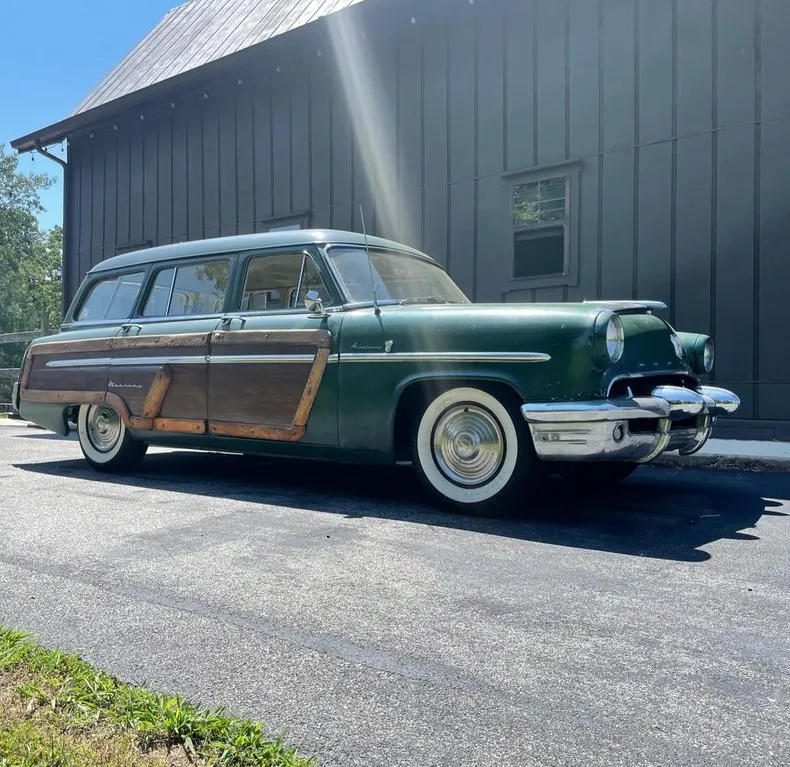
The 1953 Mercury Monterey’s design is iconic, representing the pinnacle of post-war automotive styling. These diecast models meticulously replicate the car’s distinctive features, making them a joy for collectors. The Monterey showcased a long, sleek body, prominent chrome accents, and a wraparound windshield, all of which are faithfully reproduced in the diecast versions. The attention to detail, from the graceful curves to the precisely replicated trim, ensures that the model cars capture the original’s elegance and sophistication. The Monterey’s design perfectly embodied the optimism and innovation of the 1950s, a design era that is still celebrated today.
Exterior Features and Details

The exterior features of the 1953 Mercury Monterey diecast are a testament to the skill of the model makers. Chrome bumpers, detailed headlights, and accurate paint schemes are common, adding to their realism. The model cars also replicate the distinctive grille design, often with intricate patterns and chrome detailing that mirror the original car’s front end. The use of high-quality materials and precise manufacturing techniques allows for realistic representations of the Monterey’s body lines, emblems, and trim, making each model a miniature work of art. The accurate depiction of these features is critical for the overall appeal and value of the diecast model.
Interior Features and Details
The interior details of the 1953 Mercury Monterey diecast models are as captivating as the exterior. Model makers often recreate the dashboard, steering wheel, seats, and door panels with incredible accuracy. The use of various materials, such as detailed plastic, fabric, and sometimes even miniature chrome accents, enhances the interior’s realism. The attention to detail extends to the instrument panel, with gauges, knobs, and switches often precisely replicated. Many models also feature opening doors, allowing a clear view of the interior. The interior design is critical to the model’s overall quality and provides a complete picture of the car’s luxury and style.
The Scale and Materials Used
Diecast models come in various scales, and the materials used significantly impact their quality and value. The most common scale for the 1953 Mercury Monterey diecast is 1:18, which provides a good balance between detail and size. However, you can find them in 1:24 and even smaller scales. The materials used, primarily diecast metal (zinc alloy), contribute to the model’s durability and weight. High-quality models often include rubber tires and plastic components for smaller details. The combination of these materials results in a model that is both visually appealing and built to last.
Common Scales and Diecast Materials
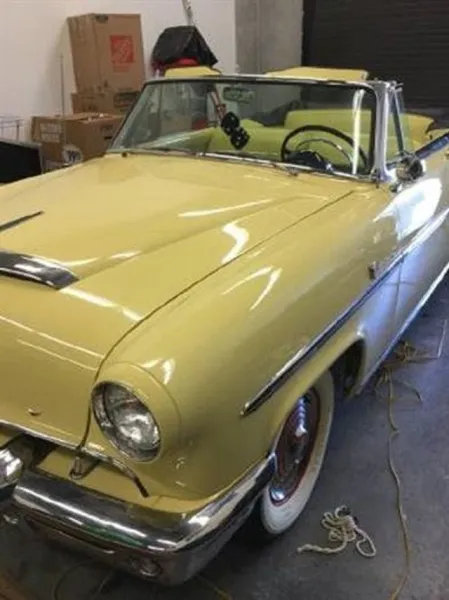
As mentioned, the 1:18 scale is prevalent because it provides a great level of detail without being excessively large. This scale allows for intricate detailing of the interior and exterior features. The 1:24 scale offers a slightly smaller and more affordable option, while larger scales like 1:12 exist for those seeking even more detail. The use of diecast metal ensures the model’s durability and gives it a realistic weight. Plastic is used for smaller details, such as the interior components and certain exterior accents, and rubber is used for the tires, contributing to the overall realism of the model.
How Diecast Models are Made
Diecast models are made through a process called die casting, where molten metal is injected into molds under high pressure. This process allows for detailed replication of the original car’s features. Once the metal cools and solidifies, the model is removed, cleaned, and painted. The models are then assembled, with the addition of interior components, wheels, and other details. High-quality models often undergo multiple stages of painting and detailing to achieve a realistic finish. The entire process requires skilled craftsmanship and precision to create the stunning replicas seen today.
The Historical Significance of the 1953 Monterey
The 1953 Mercury Monterey holds a significant place in automotive history as a symbol of post-war prosperity and design innovation. The car represented luxury and style, embodying the American dream of the time. Diecast models allow collectors to own a piece of this history, providing a tangible connection to the era. The Monterey’s influence on automotive design is still apparent today, making it a highly desirable subject for collectors. The model itself reflects the technological and social progress of the 1950s, encapsulating the spirit of the era in a beautifully crafted miniature.
The Monterey’s Place in Automotive History

The 1953 Mercury Monterey was part of a wave of innovative designs that transformed the automotive landscape. It featured unique styling elements, such as its distinctive front end and sleek body lines. The Monterey was also known for its powerful engine options and advanced features, which positioned it as a premium vehicle of its time. The car’s popularity helped to solidify Mercury’s reputation as a luxury brand. The diecast models accurately capture these details, making them a valuable way to appreciate the vehicle’s impact on automotive design and engineering.
Why the 1953 Monterey is Collectible
Several factors contribute to the 1953 Mercury Monterey’s collectibility. Its unique design, historical significance, and the limited number of models produced make it a highly desirable item for collectors. The model’s association with the post-war era, a period of significant cultural and technological advancement, also adds to its appeal. High-quality diecast models offer an accessible way to own a piece of automotive history. The detailed craftsmanship and accurate replication of the car’s features make these models a treasured possession for many collectors.
Popular Diecast Brands and Manufacturers
Several brands are known for producing high-quality 1953 Mercury Monterey diecast models. These brands often have a long-standing reputation for precision, detail, and accuracy. Brands such as AUTOart, GMP, and Franklin Mint are commonly recognized for their exceptional craftsmanship and realism. When choosing a diecast model, it’s essential to consider the manufacturer, as this often determines the quality and the level of detail found in the finished product. These manufacturers often pay close attention to the accuracy of the model, making them extremely valuable to collectors.
Top Brands Producing 1953 Monterey Diecasts

AUTOart is known for its high-end models, often featuring detailed interiors, opening parts, and accurate paint finishes. GMP (Greenlight Collectibles) offers high-quality models with exceptional detail and accurate features. Franklin Mint also produces premium diecast models, known for their attention to historical accuracy and high-quality materials. When looking for a 1953 Mercury Monterey diecast, researching these brands can help ensure you choose a model that meets your standards of quality and detail. Each brand has its unique approach to manufacturing, and understanding these differences can help you make an informed decision.
Evaluating Quality and Authenticity
Evaluating the quality of a 1953 Mercury Monterey diecast involves examining the details. Look for accurately replicated features, such as the grille, headlights, and interior components. Check for the quality of the paint finish, ensuring it is smooth and free of imperfections. Assess the model’s overall construction, including the fit and finish of the parts. Authenticity can be verified by researching the model’s markings, packaging, and manufacturer details. High-quality models often have certificates of authenticity and detailed documentation. Authentic models tend to hold their value better and are more desirable for collectors.
Where to Find and Buy 1953 Monterey Diecasts
Finding and buying 1953 Mercury Monterey diecast models can be an exciting part of the collecting process. Several avenues offer opportunities to acquire these miniature treasures. Online marketplaces, auction sites, and specialized diecast shops are common sources. Attending car shows, swap meets, and collector events provides opportunities to view models in person and interact with other enthusiasts. Building relationships with collectors and dealers can also lead to finding rare or hard-to-find models. Careful research and patience are key to finding the perfect model for your collection.
Online Marketplaces and Auction Sites

Online marketplaces such as eBay and specialized auction sites are excellent places to find 1953 Mercury Monterey diecast models. These platforms offer a vast selection of models from various manufacturers and in different conditions. Auction sites can be particularly exciting, as you may find rare or limited-edition models. When using these platforms, carefully review the seller’s feedback and the model’s description. In addition, check the photos and ask questions to ensure the model meets your expectations. Always verify the seller’s reputation and the model’s authenticity before making a purchase.
Tips for Finding Rare Models
Finding rare 1953 Mercury Monterey diecast models requires dedication and a strategic approach. Research limited edition models, special releases, and those produced by smaller manufacturers. Attend car shows and swap meets to connect with collectors and dealers who may have access to rare items. Set up search alerts on online marketplaces to be notified when new listings appear. Building relationships with other collectors can help you learn about new items and potential sales. Patience and persistence are essential, as rare models can take time to find. Keep an eye out for models in excellent condition, as these are often more valuable.
Conclusion
The 1953 Mercury Monterey diecast model is much more than a miniature replica of a classic car; it is a window into the past, capturing the essence of an iconic design and the spirit of an era. These models offer a rewarding experience for collectors, combining historical significance, detailed craftsmanship, and aesthetic appeal. Whether you’re drawn to the Monterey’s elegant design, its place in automotive history, or the thrill of the hunt, these diecast models provide a tangible connection to a significant part of American culture. With careful research, a keen eye for detail, and a passion for collecting, you can build a collection that reflects your appreciation for automotive history and the artistry of diecast models.